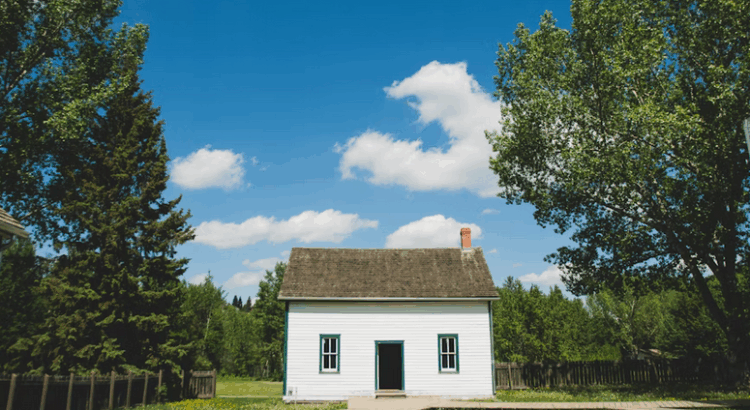
The idea of living in a smaller space has moved from being a niche lifestyle choice to a growing global movement. Tiny homes, often defined as dwellings under 400 square feet, are capturing attention for their affordability, mobility, and eco-friendly benefits. While they offer simplicity and a more intentional way of living, their rise is also closely tied to the push for sustainability. Check out Hausbau-Forum.de to learn more about sustainability in tiny homes. As environmental concerns grow and people search for practical solutions to lower their footprint, tiny homes are proving to be more than just a trend—they are a shift toward a sustainable future.
Encouraging Minimalist Living
Tiny homes naturally encourage people to adopt a minimalist lifestyle by limiting unnecessary possessions. Living in a compact space requires careful thought about what items truly matter, which reduces consumerism and waste. By purchasing fewer goods and focusing on quality over quantity, tiny home owners support a more sustainable cycle of consumption. This lifestyle shift goes beyond saving space—it directly contributes to lowering demand for mass production and reducing environmental impact.
Reducing Energy Consumption
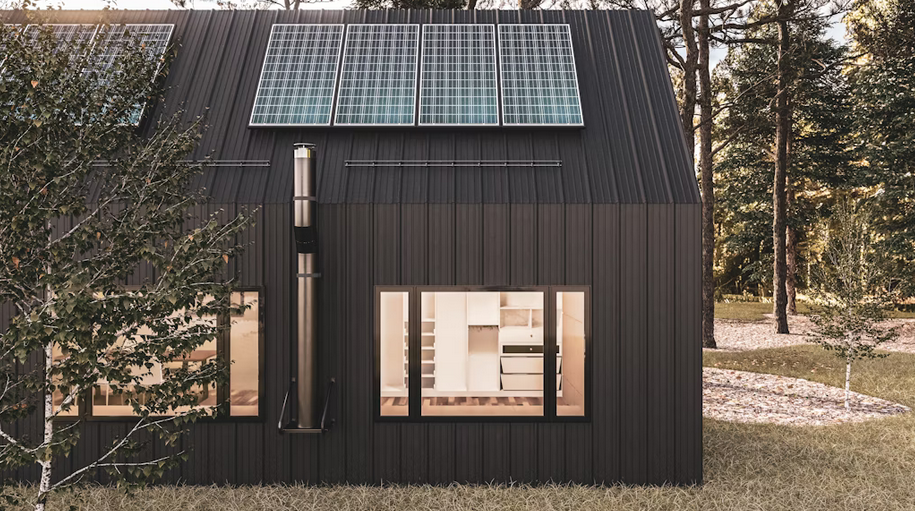
One of the biggest advantages of tiny homes is their ability to reduce energy use. With smaller square footage, less energy is required for heating, cooling, and lighting. Homeowners can often maintain a comfortable environment with minimal energy costs, which not only lowers monthly bills but also reduces strain on natural resources. Many tiny homes also incorporate solar panels or energy-efficient appliances, further enhancing their role in promoting sustainable living.
Using Eco-Friendly Materials
Many tiny home builders are turning to eco-friendly or recycled materials to further reduce the environmental footprint of construction. Reclaimed wood, recycled metal, and non-toxic insulation are commonly used to create durable and healthy living environments. The small scale of these homes makes it easier to integrate sustainable materials without dramatically increasing construction costs. This approach aligns with the broader movement in ecological construction, making tiny homes a symbol of how building sustainably can also be affordable.
Lowering Land and Resource Impact
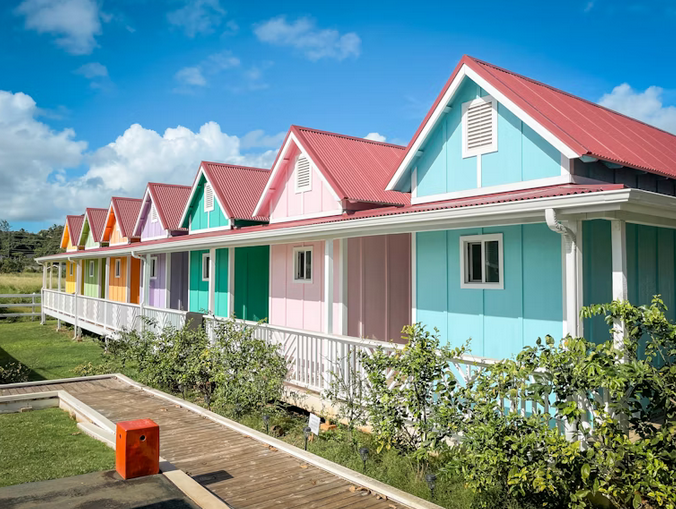
Traditional houses often require significant land development, large quantities of building materials, and extensive infrastructure. In contrast, tiny homes use far fewer resources and take up much less space. Some are even designed to be mobile, allowing them to exist without permanent foundations and minimizing disruption to natural landscapes. This smaller footprint makes tiny homes a practical solution in urban areas where land is scarce and in rural settings where preserving the environment is a priority.
Supporting Affordable and Sustainable Communities
Beyond individual benefits, tiny homes are contributing to new community models built around sustainability. Tiny home villages and eco-communities are emerging, where residents share resources like gardens, renewable energy systems, and communal spaces. These developments encourage collaboration and demonstrate how sustainable living can extend beyond one household to entire neighborhoods. By blending affordability with environmental consciousness, tiny homes are helping reshape how communities think about housing.
Tiny homes have become a key part of the sustainability movement by reducing energy consumption, encouraging minimalism, incorporating eco-friendly materials, and lowering land impact. They are not just about living smaller but about living smarter and more intentionally. As more people seek affordable housing solutions that align with environmental values, tiny homes are proving to be a forward-thinking answer. Their growing popularity highlights the desire to embrace sustainable living while reimagining what homeownership can look like in the modern world.