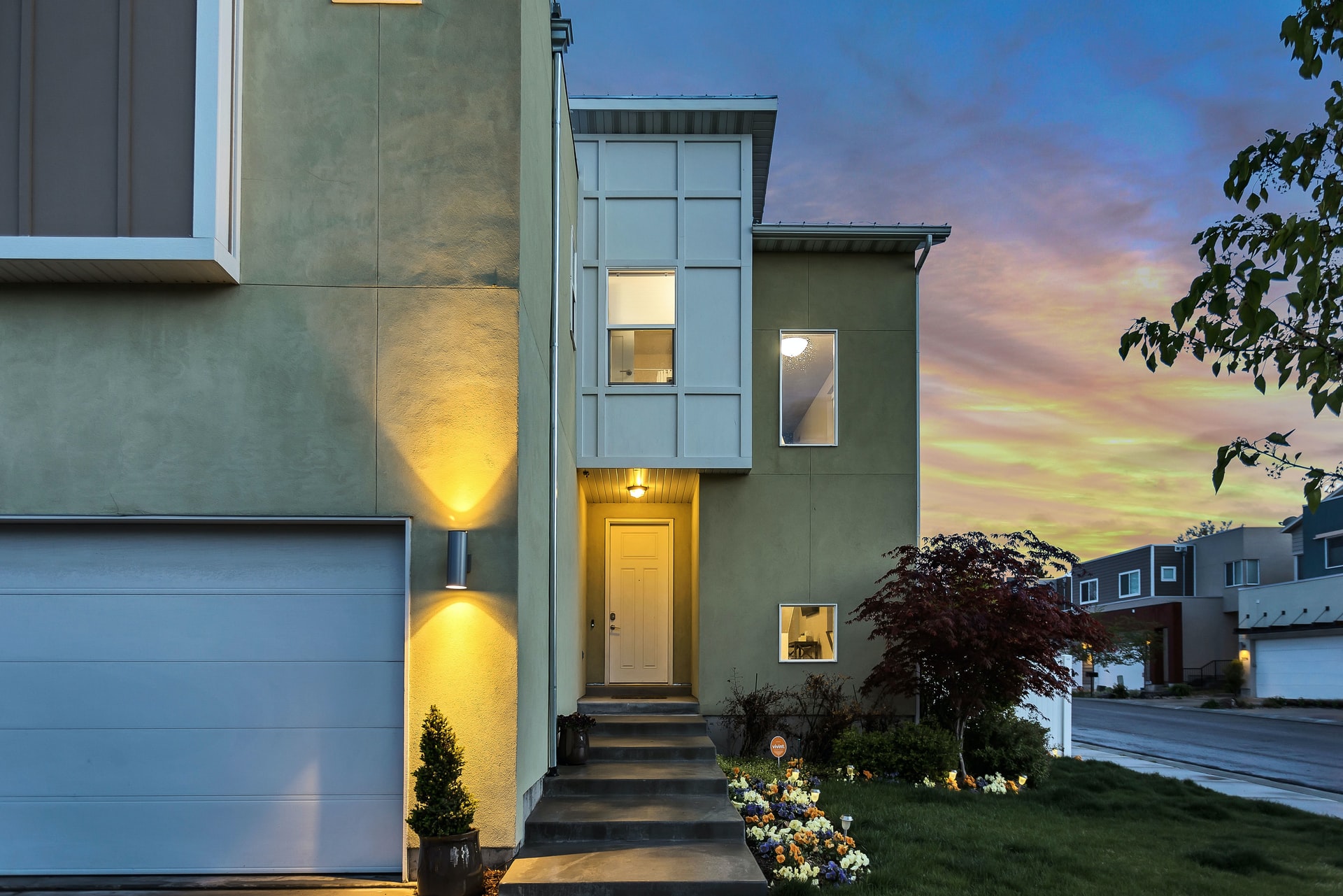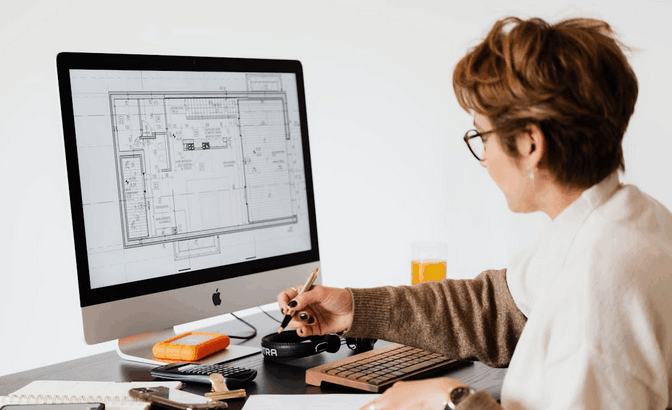
The way we design homes is undergoing a massive shift—and it’s not just about aesthetics anymore. With technology evolving at lightning speed, architects are embracing new tools that enhance creativity, streamline workflows, and bring clients into the design process like never before. Virtual reality (VR), Building Information Modeling (BIM), and artificial intelligence (AI) are no longer futuristic concepts—they’re core components of the modern architect’s toolbox.
Whether you’re planning a new build or just curious about how homes are being designed today, here’s how these digital tools are transforming the process from the ground up.
Virtual Reality Brings Designs to Life
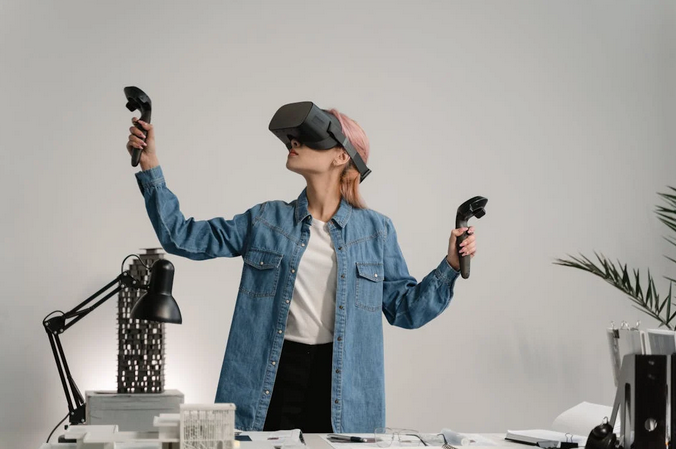
Imagine walking through your future home before a single brick is laid. With VR, that’s now entirely possible. Architects can create immersive 3D environments where clients can experience rooms, adjust layouts, and even preview lighting at different times of day—all in real-time. This isn’t just about flashy visuals; it helps avoid costly mistakes by identifying design issues early. By offering a virtual walk-through, clients get a better feel for the space than they ever could from 2D blueprints. This also allows architects to make faster revisions and more confident decisions throughout the process.
AI Is Redefining Architectural Thinking
Artificial intelligence is pushing the boundaries of what’s possible in home design. AI tools can analyze thousands of data points—like sun orientation, energy efficiency, and space optimization—to propose smarter layouts and design choices. These systems aren’t replacing architects, but they’re acting like super-powered assistants that bring science into the art of design. One great example of this trend is highlighted here at news.de/reisen-und-leben/858589047/hausbau-mit-ki-wie-kuenstliche-intelligenz-heute-schon-architektur-neu-denkt/1/, which explores how AI is already reshaping architectural workflows, right from early sketches to building permit submissions. The result? Homes that are more efficient, better suited to their environment, and quicker to bring to life.
BIM Enhances Collaboration and Precision
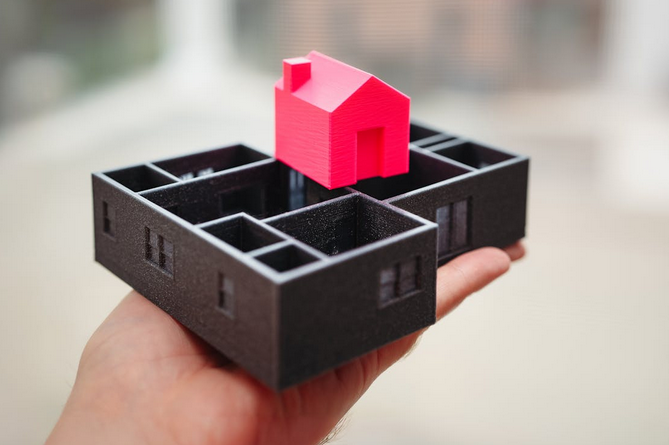
Building Information Modeling, or BIM, is much more than a 3D modeling tool—it’s a comprehensive system that combines geometry, data, and workflow in one place. With BIM, architects, engineers, and contractors all work from the same digital model, making collaboration seamless and reducing misunderstandings during construction. This centralized approach improves accuracy in planning, reduces delays, and helps track everything from materials to maintenance schedules. For clients, it means a smoother building process with fewer surprises and better cost control from day one.
Drones and Site Scanning Boost Accuracy
Surveying and site analysis used to be time-consuming and often imprecise. Enter drones and laser scanning—two technologies that have changed the game. Drones can quickly capture aerial imagery and topography, while laser scanners create ultra-accurate 3D models of existing structures or land. Architects use this data to better understand a building site before breaking ground. It also ensures that their designs are aligned with real-world conditions, which is critical for custom homes built on unique or complex terrain.
Smart Materials Become Sustainable Tech
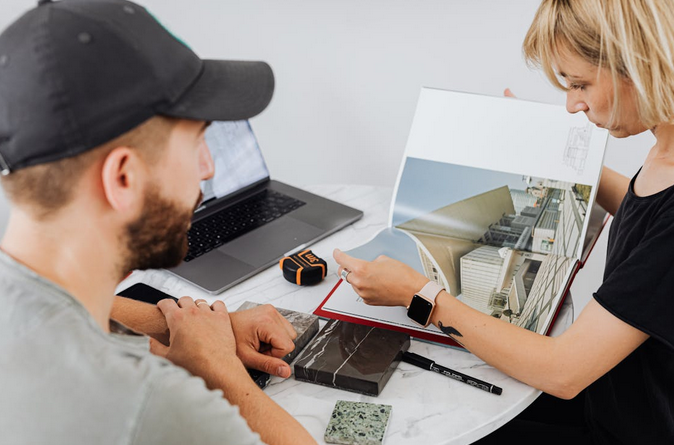
Today’s architects are not just designing beautiful homes—they’re designing sustainable ones. With smart materials like self-healing concrete, solar roof tiles, and responsive glass, homes are becoming more environmentally conscious from the start. Tech also plays a role in helping architects calculate the carbon footprint of a building and make better choices during design. Combined with energy modeling software, architects can create homes that not only meet green standards but exceed them—often saving homeowners money in the long run while reducing environmental impact.
The architect’s toolbox is no longer filled with just pencils and drafting paper—it’s packed with powerful digital tools that are changing how homes are imagined, designed, and built. From immersive VR walkthroughs to intelligent design systems powered by AI, technology is enhancing creativity and bringing greater precision to the process. As these tools become more accessible, homeowners can expect smarter, more efficient, and more personalized homes than ever before. The future of residential architecture isn’t just digital—it’s already here.