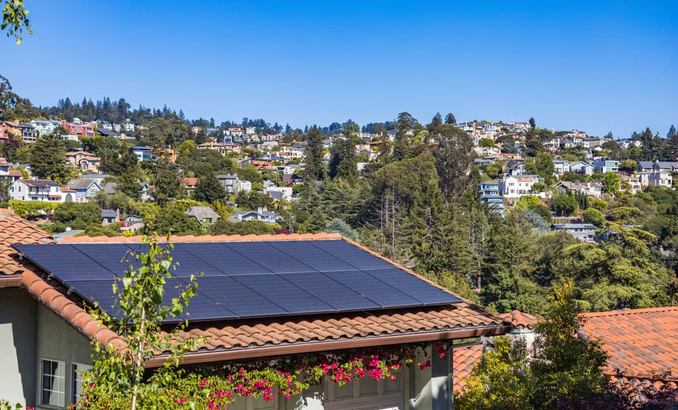
Energy demands are changing as homeowners look for cleaner, more efficient, and more reliable power solutions. Solar energy has become one of the most recognized options for reducing dependence on traditional electricity sources. However, installing solar panels is not only a decision made after a home is built. Modern construction is increasingly focusing on solar-ready home design, which prepares a property for future solar installation from the beginning. This approach from Haustechnik Dialog includes thoughtful planning of roof structure, electrical systems, and home orientation to make future upgrades easier. Understanding how solar-ready home design supports future energy needs helps explain why forward-thinking construction practices are becoming more important in residential development.
Planning Better Roof Design
The roof is one of the most important parts of a solar-ready home. Solar panels require a stable surface that receives enough sunlight throughout the day. During the design stage, builders can consider roof direction, slope, strength, and available installation space. A properly planned roof allows solar panels to operate more effectively while reducing the need for future structural adjustments. Homes with suitable roof designs often make solar installation faster and more affordable because important factors have already been considered. Roof materials also influence solar performance. Durable roofing systems can support panel installation while maintaining long-term protection for the home. Planning these elements early creates a stronger foundation for future energy improvements.
Supporting Electrical Preparation
Solar-ready homes require more than a suitable roof. The electrical system must also be prepared to connect with future solar technology. Builders can include designated areas for solar equipment, upgraded electrical panels, and proper wiring pathways during construction. These preparations help avoid expensive modifications later when homeowners decide to install solar panels. A well-planned electrical system allows renewable energy equipment to integrate more smoothly with the home’s existing power supply. Future energy systems may also include battery storage, smart controls, and energy management devices. Preparing the electrical infrastructure early gives homeowners more flexibility as technology continues developing. This approach allows homes to adapt without requiring major renovations.
Improving Energy Efficiency
Solar-ready design works best when combined with overall energy efficiency. A home that wastes less energy requires fewer solar panels to meet household electricity needs. Efficient insulation, high-performance windows, and improved building materials help reduce energy consumption. When these features are included during construction, the home becomes better prepared for renewable energy systems. Solar panels can then provide greater value because the electricity they generate is used more effectively. Energy-efficient design also improves indoor comfort. Stable temperatures, reduced drafts, and lower heating or cooling demands create a better living environment while supporting responsible energy use. Solar readiness is therefore part of a broader approach to creating efficient homes.
Reducing Future Installation Challenges
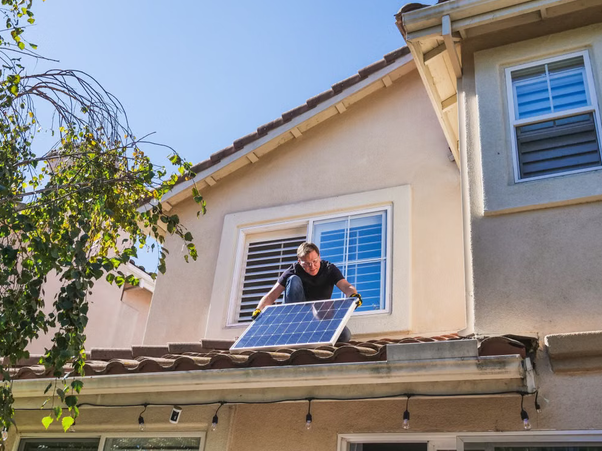
Adding solar panels after a home has already been built can sometimes involve complicated adjustments. Roof repairs, electrical upgrades, and structural changes may increase installation time and costs. Solar-ready construction reduces these challenges by addressing important requirements before they become problems. Builders can prepare the property during the initial construction process, when changes are generally easier and more cost-effective. This planning gives homeowners greater confidence that future solar upgrades can be completed with fewer obstacles. As renewable energy adoption continues growing, homes designed with future installation in mind may offer greater flexibility compared with properties that were not prepared for energy improvements.
Supporting Long-Term Property Value
Homes with renewable energy potential may become increasingly attractive as energy costs and environmental concerns influence buyer decisions. Solar-ready features can provide an advantage by showing that a property is prepared for modern energy solutions. Future homeowners may appreciate having a residence that can easily transition toward solar power without extensive construction work. This preparation can support long-term property appeal while reflecting changing expectations in residential design. The value of solar-ready design extends beyond immediate energy savings. It represents a commitment to adaptability, efficiency, and responsible planning. As energy technology continues advancing, homes that can accommodate future improvements may remain more competitive in the housing market.
Adapting to Future Energy Changes
The way people use electricity is expected to continue evolving. Electric vehicles, smart home systems, battery storage, and renewable energy technologies are becoming more common in residential settings. Solar-ready home design helps properties prepare for these changes. Instead of requiring homeowners to rebuild or significantly modify their homes, early planning creates a smoother path for future upgrades. This adaptability supports changing energy needs while reducing unnecessary construction waste. Builders who consider future energy demands can create homes that remain useful and efficient for many years. Solar-ready planning reflects a shift toward residential designs that focus on long-term performance rather than only immediate requirements. Solar-ready home design supports future energy needs by improving roof planning, preparing electrical systems, increasing efficiency, reducing installation challenges, supporting property value, and adapting to changing technology. These features allow homeowners to make renewable energy upgrades more easily when the time is right.
Understanding how solar-ready home design supports future energy needs shows why modern construction must consider more than current living requirements. Homes built with future energy solutions in mind can provide greater flexibility, improved performance, and stronger long-term value. As renewable energy becomes a larger part of everyday life, solar-ready design will continue playing an important role in sustainable residential development.